
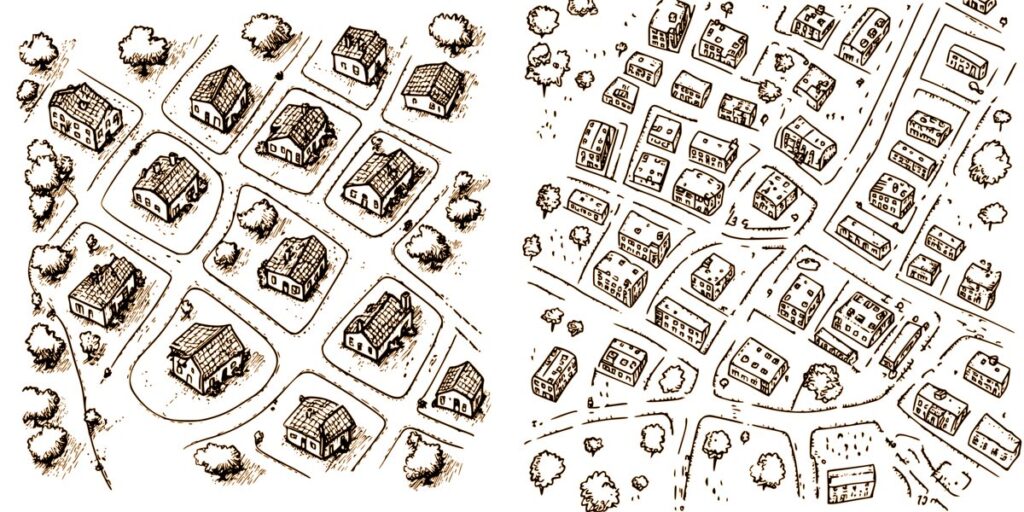
Settled on the inviting eastern side of Port St. Lucie, Fairgreen Crossings is a neighborhood that holds a unique blend of history and community spirit. Tucked between SE Walton Road and SE Lennard Road, this cherished enclave may not appear in old volumes of Florida history, but its story is just as captivating as the city that surrounds it.
The Origins of Fairgreen Crossings
The inception of Fairgreen Crossings dates back to the late 1980s, during a period of rapid expansion in Port St. Lucie. Like much of the city, the land that would become Fairgreen Crossings was once part of pine flatwoods and saw palmetto groves, watched over by the gentle breezes blowing inland from the nearby St. Lucie River.
The developers envisioned a community that could offer both convenience and tranquility, but the name “Fairgreen Crossings” was meticulously chosen. “Fairgreen” evoked the neighborhood’s early landscaping aspirations—rolling green spaces, well-tended lawns, and the serenity of park-like surroundings—while “Crossings” referred both to its network of connecting streets and the neighborhood’s location near major local intersections. The community grew around the crossing of SE Crosspoint Drive and SE Salerno Road, establishing this as a true hub in the southeast quadrant of the city.
Historical Milestones and Growth
Fairgreen Crossings quickly found its feet as a family-oriented neighborhood. As new streets—such as SE McCartney Lane, SE Fairgreen Road, and SE East Blackwell Drive—were laid out, contemporary single-family homes began to rise, with signature Florida ranch-style architecture dominating the blocks. The 1990s brought a steady influx of families seeking the promise of Port St. Lucie’s charm without the hustle and bustle found further west.
Several key milestones have shaped Fairgreen Crossings into the friendly neighborhood it is today:
- The Opening of Fairgreen Park: Established in the early 1990s, this small community park along SE Fairgreen Road quickly became the beating heart of the neighborhood. Residents gathered here for picnics, community events, and children’s playdates under the canopy of native shade trees.
- Community Association Formation: By the late 1990s, Fairgreen Crossings had established its own homeowners’ association. The group played a pivotal role in maintaining the area's manicured appearance and fostering a spirit of camaraderie among residents, hosting events like holiday lights contests and neighborhood clean-ups.
- Connection to City Infrastructure: The late 2000s brought city-led upgrades to the area, with improved sidewalks, street lighting, and traffic calming features, ensuring that Fairgreen Crossings would remain safe and walkable for years to come.
Notable Landmarks and Institutions
Though Fairgreen Crossings doesn’t boast the grand historical buildings found in older cities, it has several local landmarks that serve as anchors for the neighborhood’s heritage:
- The Gazebo at Fairgreen Park: This modest structure, nestled in the center of Fairgreen Park, has witnessed decades of community events—from lively birthday parties to neighborhood meetings. Many locals view it as the unofficial landmark of the neighborhood.
- SE Lennard High School: Located just a few blocks north, the school has long been a source of pride for Fairgreen Crossings families. Sporting events, concerts, and art shows bring students and neighbors together, reinforcing the community spirit.
- St. Lucie River Proximity: While not technically within Fairgreen Crossings, the nearby riverfront preserves and trails offer residents unrivaled access to fishing, kayaking, and walks along the water, reflecting the deep-rooted connection to the area’s natural heritage.
Evolution Through the Decades
If you stroll through Fairgreen Crossings today, you’ll notice a lovely amalgamation of old and new. Many original ranch-style homes still stand proudly, their pastel stucco and screened lanais exuding classic Florida charm. Over the last two decades, newer builds have carefully blended into the character of the neighborhood, and home renovations have become common as families personalize their space while preserving the friendly streetscape.
Some things that make Fairgreen Crossings especially enduring include:
- Strong Neighborhood Bonds: Whether through annual block parties, book exchanges in little free library boxes, or morning chats at the park, neighbors pride themselves on maintaining a welcoming, tight-knit environment.
- Maintained Green Spaces: Community attention to lawns, mature oaks, and flowering bougainvillea adds to the lush, peaceful setting envisioned in the neighborhood’s early days.
- Embrace of Diversity: New residents from various walks of life have made Fairgreen Crossings their home, bringing fresh traditions and ideas, yet the neighborhood reliably maintains its “everyone knows your name” atmosphere.
The Spirit of Fairgreen Crossings
What truly sets Fairgreen Crossings apart is the pride residents take in their community story. Many long-timers recall early years of neighborhood potlucks and self-organized clean-up drives. Former children, now grown, return with young families of their own, drawn back by nostalgia and the welcoming streets that raised them.
For anyone looking to settle in Port St. Lucie, a drive down SE Crosspoint Drive on a sunny afternoon shows why this neighborhood endures. The laughter of kids in the park, the blooming gardens, and the sense of being somewhere with deep local roots—this is Fairgreen Crossings in all its warmth and heritage.
Over the years, the neighborhood’s story has become woven into the patchwork of Port St. Lucie’s broader history. Fairgreen Crossings remains a testament to how neighborhoods are shaped not just by roads and homes, but by the everyday lives and memories of those who call it home.
If you have a Fairgreen Crossings memory or story, the gazebo by the park is always waiting—and so is a neighborhood that feels like family.